Brand strategy · Edgar Power

A brand customers trust.
Why don’t they buy it regularly?

Edgar Power had a high-quality product, a strong core customer base and a high level of trust. Yet the research revealed a paradox: people recommended the brand, but it was not a natural part of their everyday sporting routine. Customer research uncovered the reason.

ClientEdgar Power
www.edgarpower.cz
IndustrySports nutrition
FocusBrand strategy
MethodsResearch, UX, positioning
300+
customer research respondents
99,7 %
would recommend the brand
97 %
rate its effectiveness as good or excellent
7 %
buy every month
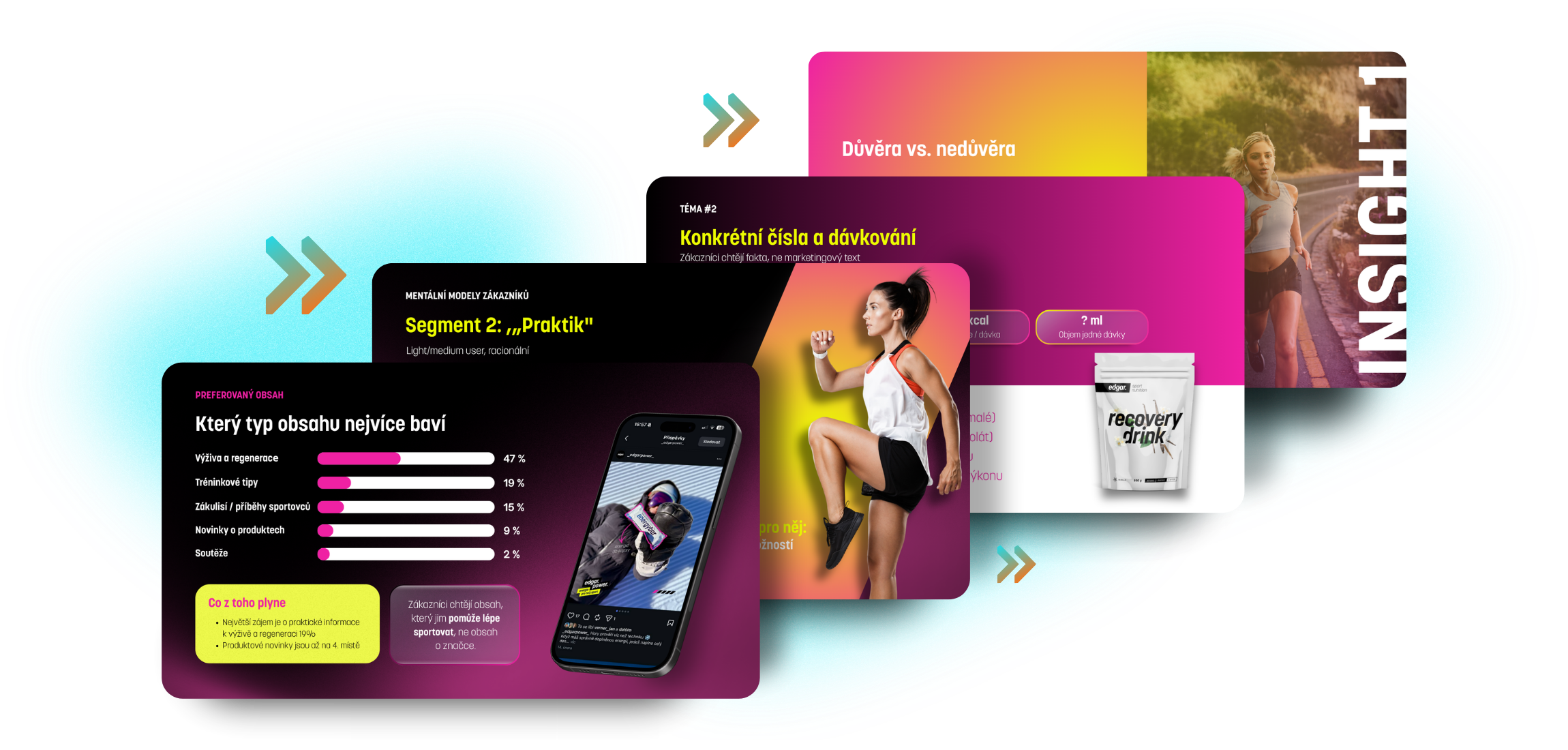
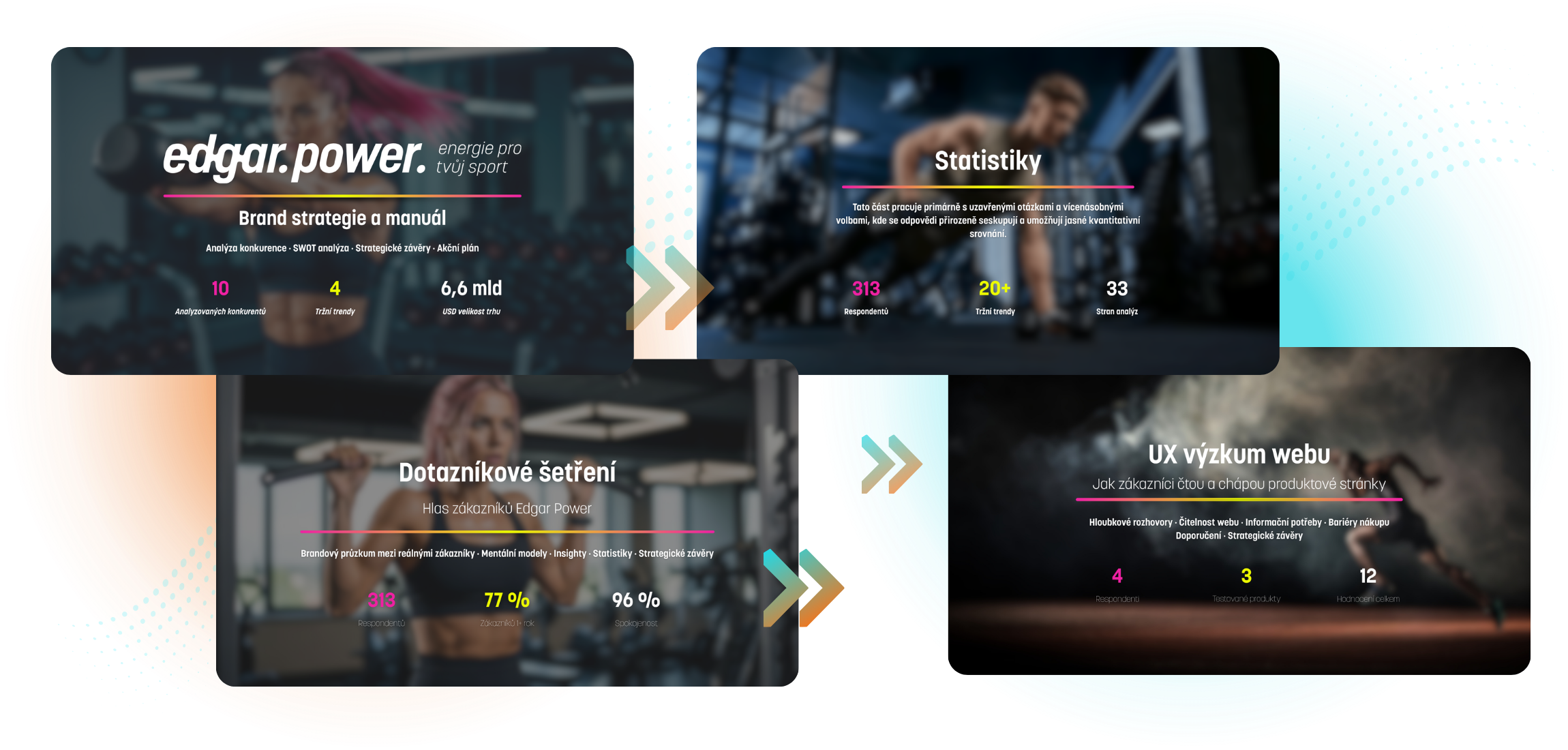
Examples of Edgar Power brand strategy deliverables
The problem is not the product or the price.
It is education.

Customers who use Edgar correctly and consistently are enthusiastic and naturally recommend it. Those who used it occasionally or incorrectly left disappointed. The brand’s main task was therefore not advertising, but education.

FreelanceCore - key insight from customer research

Starting point

Strong trust, low purchase frequency

The key challenge was neither trust nor quality. Customers praised Edgar, but the brand was not a natural part of their everyday routine. They also used other brands alongside it. Further structural issues were also limiting growth.

Where the problem lay

Respected, but not habitual

Customers praised Edgar, but also used competing brands. The brand lacked a clear definition of when, for whom and why Edgar works best. There was untapped potential among women and the 25-34 age group. The website provided information, but did not answer customers’ real questions.

What needed to be solved

Find the real growth lever

Identify the real customer and understand how they think about the brand - in their own language, not from the company’s perspective. Define what genuinely sets Edgar apart from cheaper competitors with broader ranges. In an oversaturated market, a brand cannot win on price or product breadth.

Research and analysis

The strategy was not created in isolation. It was built on real data.

We worked from the inside out: first interviewing management, then analysing the market and competitors, conducting a quantitative customer survey, followed by in-depth UX interviews about the website and a price comparison. We combined all findings into a SWOT analysis and strategic conclusions.

300+
real customers
customer survey covering 20+ areas
4
mental models
customer segmentation
UX
in-depth interviews
4 interviews, 3 products, 12 evaluations
33
pages of analysis
market, competitors, SWOT, recommendations

Customer data

This was not a typical fitness audience. The customer was endurance-focused.

The research revealed a customer profile that differed significantly from a typical “gym” audience. Until then, most communication had been aimed at someone other than the person actually making the purchase.

72% aged 35-54

More experienced, middle-aged customers rather than a typical young gym audience. Purchasing decisions are driven by experience and ingredients; price ranks only fifth (8%). The brand’s own online store is the dominant channel, used by 88% of customers.

88% run

Strong concentration around running, hiking, cycling and endurance activities. There was untapped potential among women in running, trail running, hiking and the wider hiker segment.

90% are motivated by health and fitness

Performance matters, but the main motivation is long-term health and fitness. Customers want content about nutrition and recovery (47%), training tips (19%) and athletes’ stories (15%).

Examples of Edgar Power insights, segmentation and educational direction

Website UX research

The website informed. But it did not persuade.

Four in-depth interviews focused on the product pages at edgarpower.cz, three tested products and twelve evaluations. The result showed the precise gap between what the website says and what customers need to hear.

What customers were looking for

When, how much and how to combine products?

Customers wanted to know when to use each product, how many servings they needed for a specific activity, how to combine products and whether a product would feel heavy on the stomach. They searched for essential information in tables.

What this revealed

Less text, more practical scenarios

The website needed “When and how to use” sections and digestibility information for every product. It also needed specific figures per serving and usage scenarios before, during and after exercise.

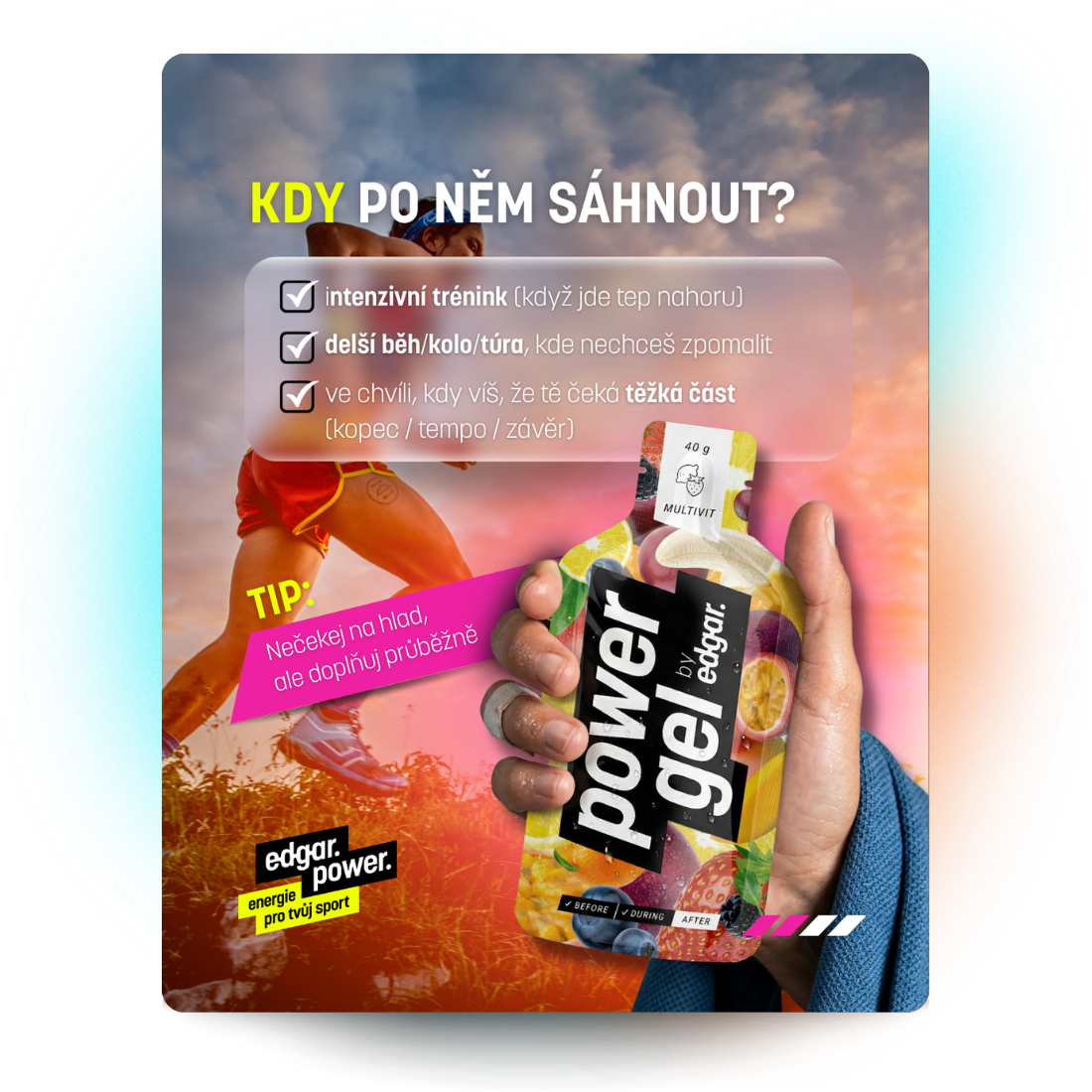
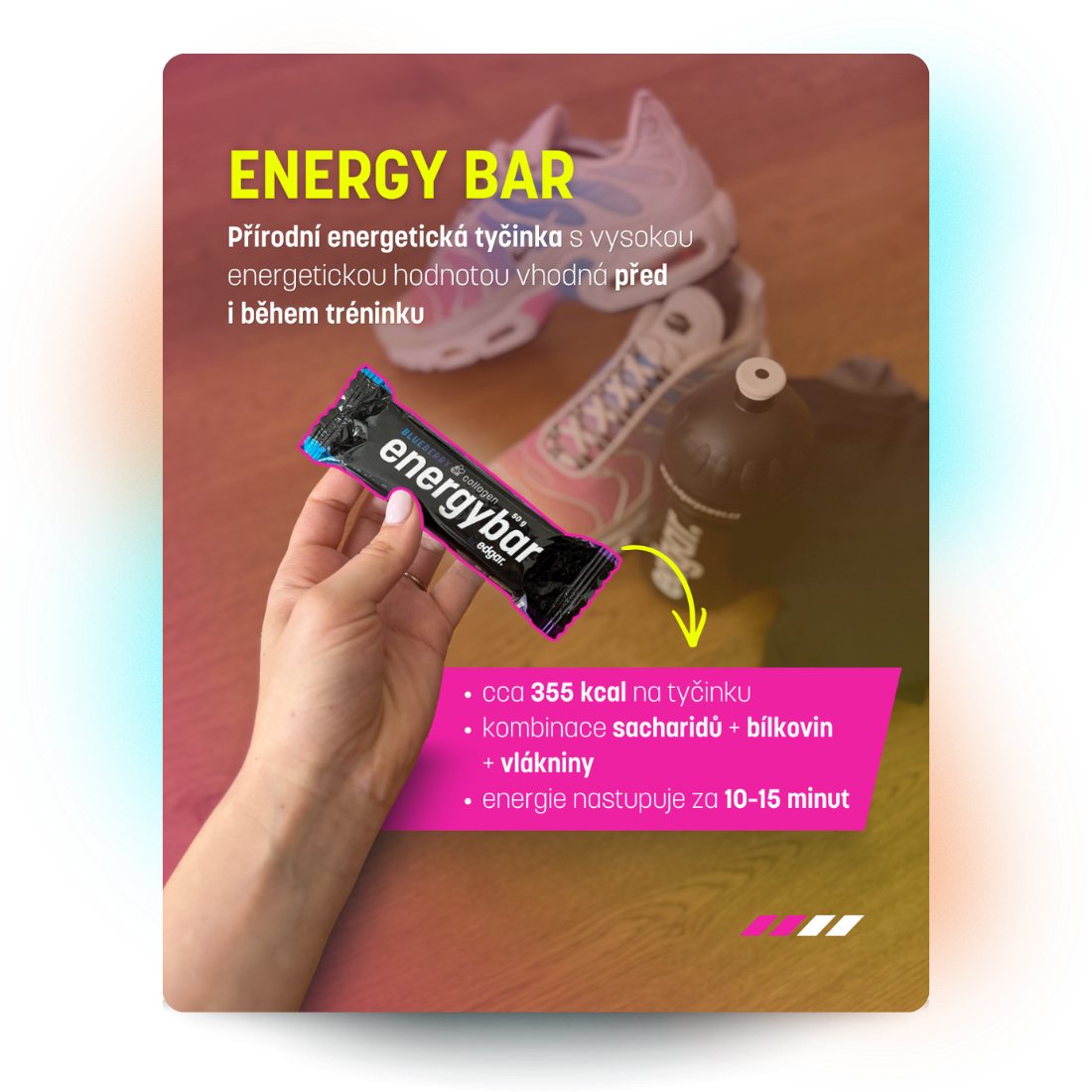
Example of Power Gel educational graphics: when to use it Example of Energy Bar educational graphics: nutritional values and use

Customer segments

Čtyři mental models zákazníků

Segmentation showed that customers are not simply buying a product. Each type needs a different reason, different language and a different way of explaining value. Without this distinction, communication speaks to everyone and resonates with no one.

Customer mental model: Performance-focused athlete

Performance-focused athlete

They focus on ingredients, performance and long-term effectiveness. Their decision is based on personal experience. Edgar is a practical performance tool for them, and they naturally recommend it.

Customer mental model: Pragmatist

Pragmatist

They want a simple solution that works. They need clear guidance on what to take, when and how much. Without it, they use the product incorrectly and leave disappointed.

Customer mental model: Supporter

Supporter

They know Edgar and trust it, but buy irregularly and use other brands alongside it. They need a ritual and a community - a Strava club, content and ambassadors.

Customer mental model: Experimenter

Experimenter

They try different brands in search of the right one. The first experience and clear guidance on the product page are decisive.

Key insight

Quality was not the problem.
Routine was.

Most brands struggle with the idea that “people do not trust us”. Edgar faced a different problem: customers trusted the brand, but it was not part of their everyday routine. This behavioural finding redirected the entire strategy - instead of investing in trust Edgar already had, the focus shifted to frequency, ritual and the brand’s role in an athlete’s life.

Positioning

It cannot be the cheapest. It can be the most relevant.

The positioning was not created in isolation. It grew directly from the language customers themselves used to describe the brand. When asked to describe Edgar as a person, they chose the words: enduring, strong, modern, honest and energetic.

Positioning statement

“Honest Czech sports nutrition for consistent performance that will not let you down.”

A brand for sustainable long-term performance, effective recovery and longevity - not instant energy or muscle gain. The direction deliberately avoids playfulness, bright colours and hype in favour of credibility and authenticity.

Brand personality

An honest expert and intelligent guide

The archetype of a warm-hearted scientist - modern and progressive, yet approachable and open. Factual, calm, trustworthy and human. The brand is not afraid to speak openly about digestibility, supplementation mistakes or correct dosage.

Strategic direction

What the brand needed to do differently

The research produced direct action points with clear priorities. The strategy also defined what the brand should avoid: price wars, generic content, celebrity influencers with no genuine connection to sport and an overly commercial tone.

01

Redesign the product pages

Add “When and how to use” sections and information about digestibility. Include specific figures per serving and use scenarios before a race, during an ultra trail and after exercise. The website must educate, not merely inform.

02

Upselling and cross-selling in the online store

Connect products across the training journey: Recovery Drink - Power Drink - Energy Gel. A customer buying one product does not know how to combine it with others. Data-driven recommendations can directly increase order value.

03

Educational content: Power People and Power Facts

A series of race and training recaps from real athletes, micro-education with experts and the Edgar Power Talks podcast. Content about performance and use, not about the brand - customers want to know when, how much and how to combine products.

04

Expand the ambassador programme

At least three female ambassadors aged 18, 30 and 45. Real athletes from the community, not celebrities. People who use Edgar every day and can credibly educate those around them.

05

A community on Strava

The more often people exercise, the more Edgar they use. Weekly activity rankings and monthly awards can support this. The aim is to motivate customers to exercise one extra day each week - purchases then follow naturally.

06

A PR series beyond strength training

Creatine is relevant to endurance athletes and longevity, not only strength training. The direction included a PR series in lifestyle and sports media, offline Edgar Power zones at races and targeting the overlooked segment of walkers and hikers.

Project deliverables

Client získal směr, ne jen prezentaci

Edgar knew it had a good product. After the strategy, it knew why, for whom, how to communicate it and what to do first. Alongside an extensive brand strategy PDF, the client received a Brand Canvas and a separate document with practical recommendations for the website, online store, social media, ambassadors, community and PR.

A positioning statement that emerged naturally from customers’ language rather than the company’s internal perspective.

Four customer segments s konkrétními mentálními modely a komunikačními potřebami - Performance-focused athlete, Pragmatist, Supporter, Experimenter.

Customer language ready for direct use in communication. Every employee, partner and ambassador knows how the Edgar brand presents itself and what it communicates.

A website UX audit with specific recommendations - the exact gap between what the website says and what customers genuinely need to hear, supported by real interview quotes.

An action plan for the brand, content, online store, community and PR, including two-year business and brand objectives.

Brand Canvas as a living document the brand can return to whenever making a new decision, whether about a product, ambassador or campaign.
Outcome and value

From intuition to a system

The strategy clarified that the real problem was neither trust nor quality, but purchase frequency and the brand’s role in customers’ lives. The solution was not persuasion, but education, ritual and creating more reasons to use Edgar more often. This shift saves both budget and effort.

What the strategy clarified

A clear role and a new priority

It gave the brand a clear role: an honest expert in long-term performance and fitness. It also established a new priority: move from being a “respected brand” to becoming “part of an athlete’s routine”. A systematic and consistent approach became the core value.

Why invest in strategy before marketing

Marketing without strategy is expensive guesswork

Without research, the brand would have invested in building trust it already had, spoken to the wrong audience and repeated the website’s mistakes. Putting strategy first means every pound invested addresses a real problem.

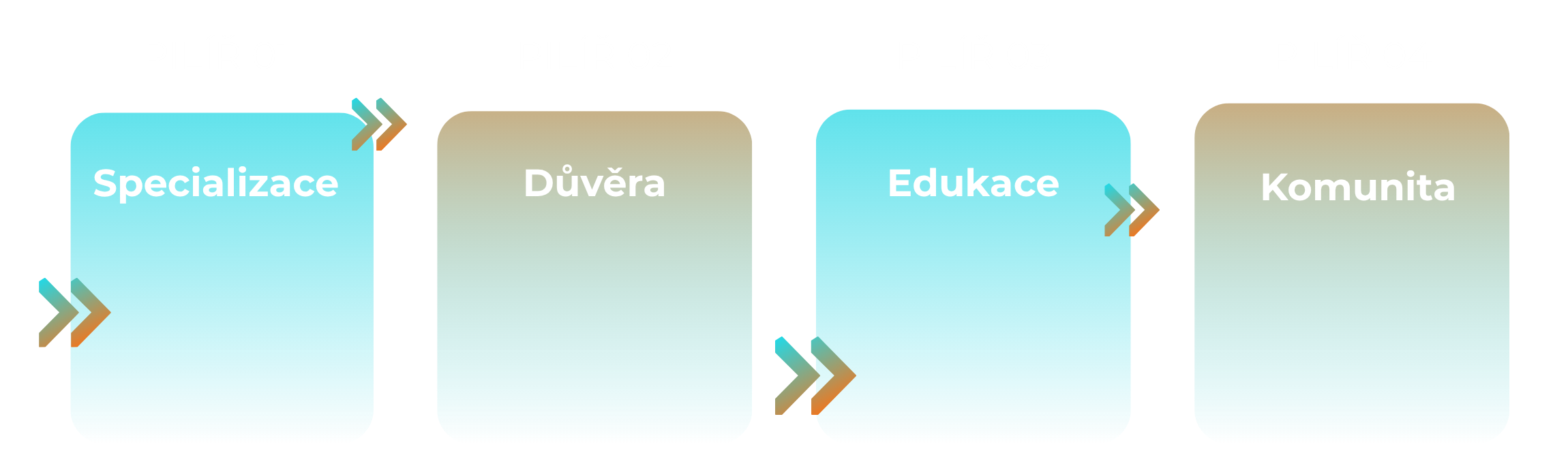
Four strategic pillars of the Edgar Power brand: specialisation, trust, education and community

Key topics

Brand strategy Customer research UX research In-depth interviews Positioning Brand Canvas Customer segments Content strategy Community marketing SWOT analysis

Frequently asked questions

Edgar Power brand strategy: frequently asked questions

Why did Edgar Power need a brand strategy?

The brand had strong customer trust and high-quality products, but lacked a clearly defined brand identity, a consistent tone of voice and a systematic content and PR strategy. Without a clear brand platform, communication and marketing investment cannot be effective. Edgar needed to know exactly who its customer was, how to differentiate itself from competitors and how to build a community of credible advocates.

What did the customer research reveal?

The research revealed a striking paradox: 99.7% of customers would recommend the brand, but only 7% buy every month. The problem was not quality or trust, but frequency, education and habit. Zákazníci, kteří Edgar používají správně a dlouhodobě, jsou nadšení. Ti, co ho použili náhodně nebo nesprávně, odešli zklamaní.

Which methods were used?

Market and market-structure analysis, competitor analysis covering 10 players, a survey of real customers across 20+ areas, four in-depth interviews focused on the product pages at edgarpower.cz (three tested products and twelve evaluations), cross-category price comparison and a SWOT analysis with an action plan.

What did the client receive?

A complete brand strategy and manual: a positioning statement, customer segmentation into four mental models, customer language ready for direct use in communication, a website UX audit with specific recommendations, a Brand Canvas as a living strategic document and an action plan for the brand, content, online store, community and PR with two-year objectives.

Explore the Edgar Power brand at edgarpower.cz.

Do you want to know where
your brand’s real problem lies?

Before launching another campaign, we help you understand what customers truly perceive, what prevents them from buying and how to build a strategy that works as a coherent whole.

Let’s work together →

Free, no-obligation consultation

After you complete the form, we will contact you to arrange a free, no-obligation consultation together. During the consultation, we will discuss your needs and the possibilities for further cooperation. The consultation is completely free and does not commit you to anything.

Quick website analysis

The analysis is prepared manually by our experts within a few business days. You will receive it in PDF format. The analysis is completely free and without obligation. More information can be found here.
Get website analysis